On culture, power, and the uneasy truth that brilliance and harm often live in the same body.
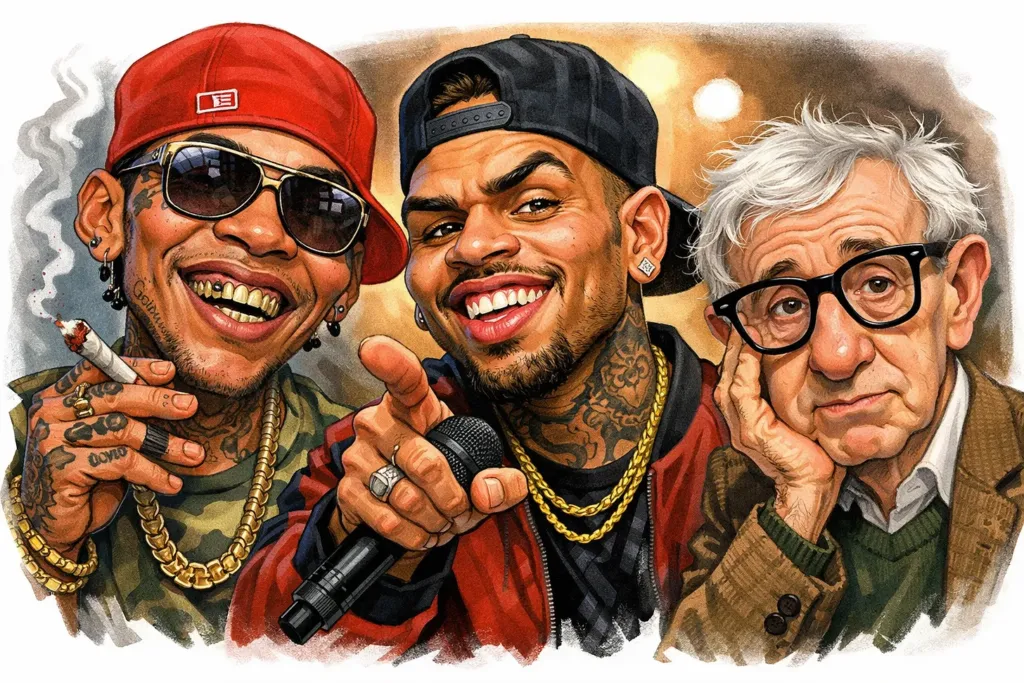
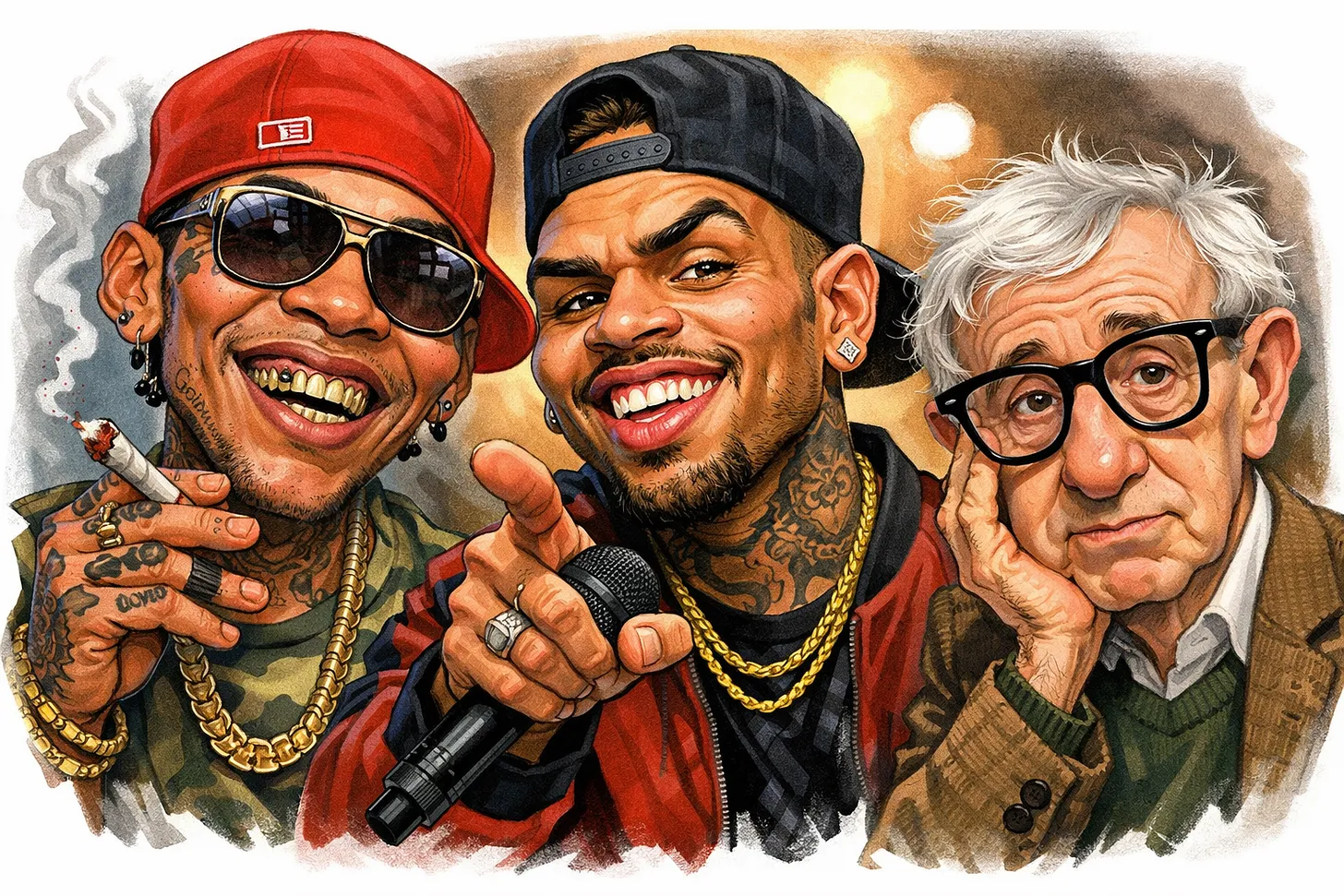
This essay continues a thread I began earlier this week reflecting on Vybz Kartel, culture, and the uncomfortable relationship between artistic brilliance and harm.
I have always been drawn to the people who shape culture.
The ones whose ideas, voices, or visions move through the world and rearrange something inside the rest of us.
Sometimes they write books that shift how we understand power.
Sometimes they build movements that convince people liberation is possible.
Sometimes they create music that carries entire communities through joy and heartbreak.
Looking closely at the lives behind the work reveals something harder to hold. The people capable of producing brilliance often leave harm in their wake.
Sometimes profound harm.
It is a tension I have never resolved neatly.
Partly because the things I care most about — art, music, political movements, the ideas that push societies forward — rarely come from clean places.
Music especially.
Music is where my heart goes before my politics catches up. Before the analysis. Before the small courtroom in my head that tries to sort the world into right and wrong.
The first time I remember noticing that tension was on a couch.
My friend Shaun loved drunken karaoke. A few of us were sitting around, half watching the screen, half talking over each other, drinks in our hands.
Then the beat dropped for Dead Wrong by The Notorious B.I.G.
“You know I love ’em young, fresh and green, with no hair in between — know what I mean?”
Everyone was rapping along.
I leaned toward my friend Kimmy and whispered,
“I love this song, and it goes against everything I stand for.”
She laughed because she understood exactly what I meant.
The lyrics are violent. The kind of violence that would be unacceptable in almost any other context.
The music had not lost its pull.
Even once I could hear the tension living inside it.
In hindsight, there have been other moments.
I was at Everyday People, a Black-led event where the DJ understands something about memory.
A Michael Jackson segment came on.
The room erupted in the kind of roar only nostalgia produces — the sound of recognition. Songs that have lived inside people’s lives for decades.
For a moment I felt the same thing I always feel when Michael Jackson plays.
Joy.
His music shaped entire emotional landscapes: love, loneliness, protest, hope. Songs like Man in the Mirror offered a language of responsibility and reflection long before pop artists spoke openly about social issues.
His humanitarian work raised millions for causes ranging from famine relief through USA for Africa to children’s hospitals and HIV/AIDS programmes.
The allegations surrounding him remain part of that story now.
The music continues to live inside people’s lives.
The questions travel with it.
Spend enough time paying attention to the people who shape culture — musicians, writers, filmmakers, political leaders — and these tensions appear everywhere.
The pattern does not belong to artists alone.
Once you begin to notice these patterns they appear everywhere.
Feminists advocating for liberation while navigating intimate relationships shaped by conflicting politics.
Civil rights leaders speaking about justice while women inside their organisations struggled to be heard.
Artists producing work that carries entire communities through grief and joy while people close to them tell different stories about power and harm.
Claire Dederer explores this unease in Monsters: A Fan’s Dilemma.
Her question lingers:
What do we do with work we love when the person who made it has caused harm?
Sometimes the harm becomes inseparable from the work itself.
R. Kelly’s catalogue contains songs that reference attraction to young girls, long before public allegations against him reached mainstream attention.
Age Ain’t Nothing but a Number would later take on a far more disturbing resonance. Other songs, including You Remind Me of Something, would also be revisited differently once the accusations surrounding him became widely known.
In 2018, as allegations continued to mount, Kelly released I Admit, a nineteen-minute track responding directly to the accusations.
The song circles them repeatedly; weaving confession, deflection, and performance into a single monologue.
For many listeners, the distance between the music and the allegations had already collapsed.
The harm was no longer something surrounding the work.
It had become audible inside it.
Film carries its own versions of this story.
Directors such as Woody Allen and Roman Polanski created celebrated work while allegations and convictions involving sexual abuse remain attached to their reputations.
Artists respond to scrutiny in different ways.
In 2023 former dancers filed a lawsuit against Lizzo alleging sexual harassment and a hostile work environment. Some claims were dismissed, while other elements continue to shape public discussion about power within creative industries. Her response has centred on denial and challenging the credibility of the accusers.
How artists respond once harm becomes visible shapes how audiences continue engaging with their work.
Acknowledgment can alter how people interpret the years that follow.
When Kobe Bryant faced a sexual assault allegation in 2003, the criminal case did not proceed after the accuser declined to testify. Bryant later acknowledged publicly that the woman did not experience the encounter as consensual.
In the years that followed he invested heavily in girls’ sports, mentored young athletes, and became a visible supporter of the WNBA.
The history remains part of the story.
So does the effort to repair something.
Removing every person who has caused harm from the cultural record would leave enormous gaps in music, literature, film, and political history.
Living with that reality requires a more deliberate relationship with the work we consume.
Three questions guide me.
Does the work itself reinforce the harm?
Has the person acknowledged what they did?
How do they respond when the community demands accountability?
These questions slow the impulse to simplify.
They create space for more deliberate choices about what we listen to, watch, read, and remember.
For now, this is where I land.
Michael Jackson will still pull me onto a dance floor.
Kartel still appears in my headphones.
R. Kelly does not return to my speakers.
Roman Polanski and Woody Allen stay off my screens.
Chris Brown receives no grace.
My ethics, like my playlists, remain imperfect.
They reflect the best answers I have found so far.
Living with those questions may be the most honest way to love culture while recognising that the people who create it are fully human.