The room is full and too quiet.
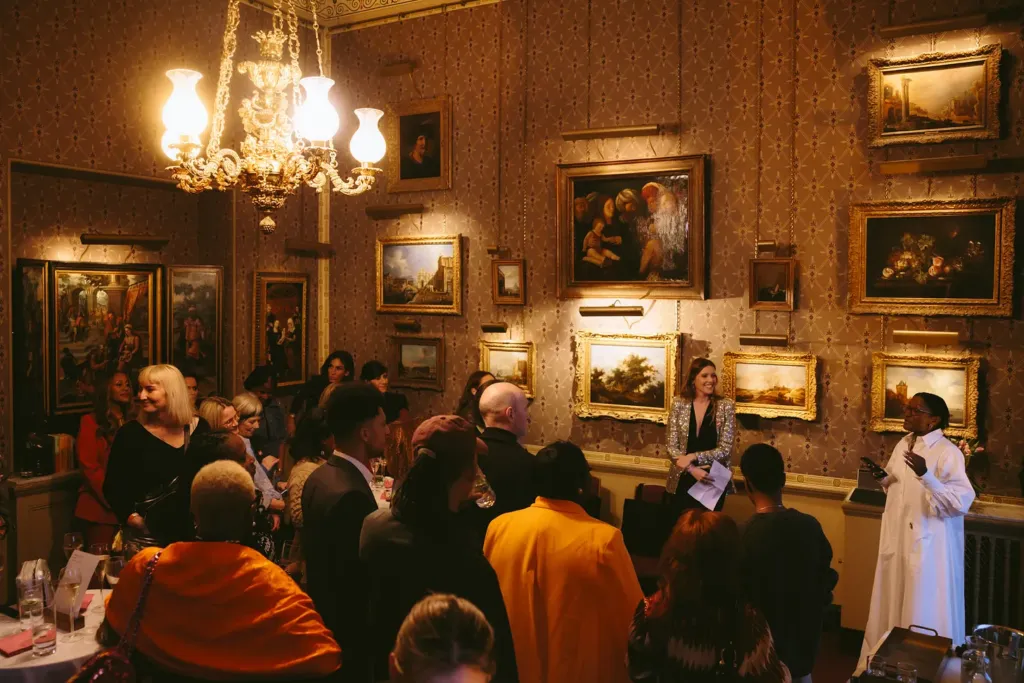
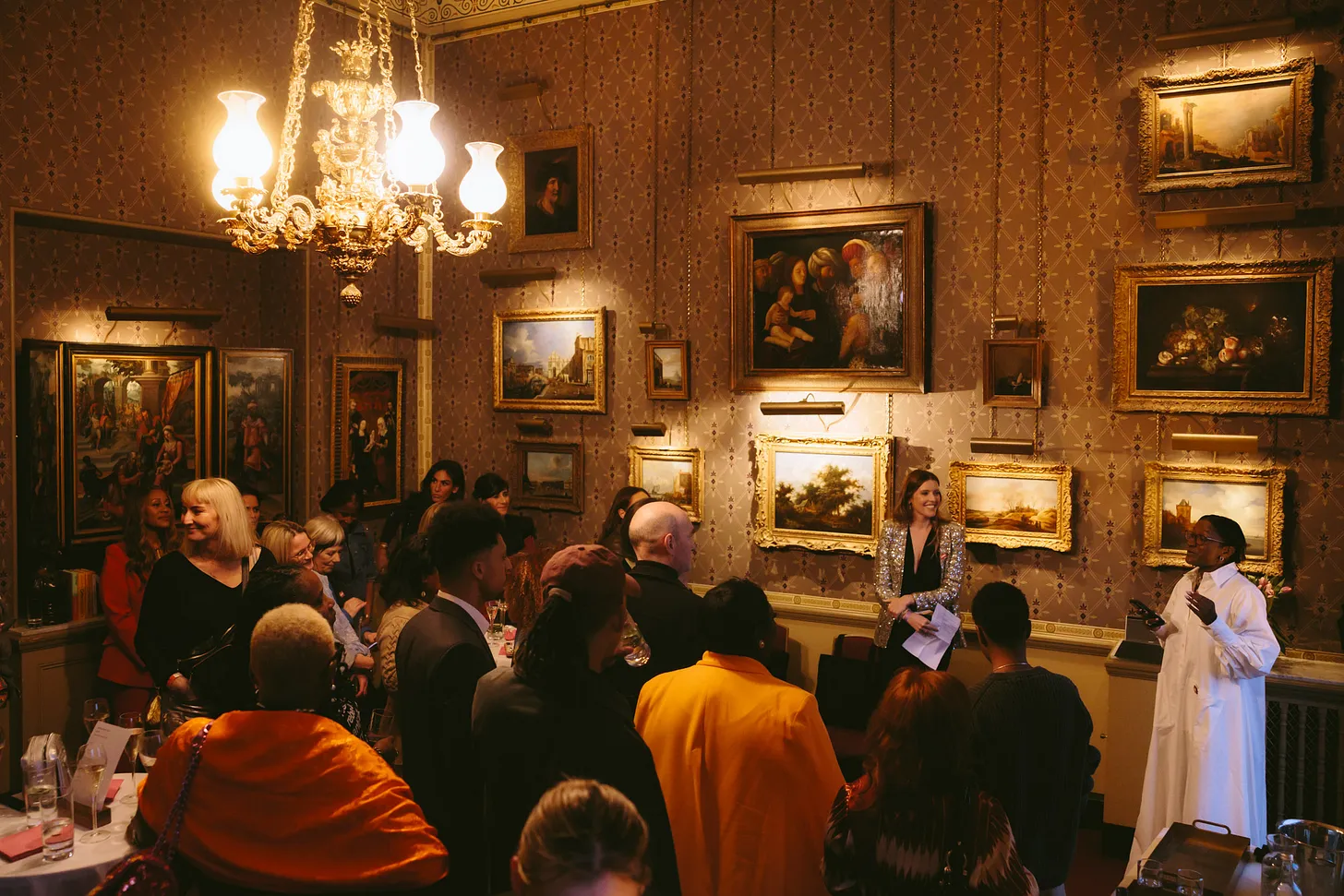
A conference hall in Kingston, Jamaica. Restorative justice practitioners, scholars, people whose lives and work sit close to questions of justice and repair. Mostly Black Jamaicans.
I am a PhD student, notebook open, trying to take up as little space as possible while still being fully present.
The keynote speaker stands at the front of the room. His work has always sat uncomfortably with me: polished, exportable, detached from the communities that shaped my understanding of justice. But he is a recognised leader in the field, and that recognition carries weight in rooms like this.
He leans into the microphone, trying to connect with the audience, trying to show understanding.
Then he says he understands racism because Jews are the “N-word” of the West.
The air shifts.
The microphone hums. Then crackles. The AV system buzzes louder than ever against the silence of the room. Someone clears their throat. A chair scrapes against the floor.
No one speaks.
I feel heat rising in my chest. My pen rests against the page. I am suddenly aware of my body, of the room, of the silence thickening.
I say nothing.
I told myself many things about that moment.
That I was junior.
That it was not my place.
That hierarchy and formality in a post-colonial country demanded restraint.
Underneath all of those explanations was something simpler: fear. Fear of being dismissed. Fear of being seen as disruptive. Fear of becoming the problem instead of naming one.
What unsettled me most was how quickly the room reorganised itself.
The programme continued.
Notes were taken.
Heads nodded.
The moment dissolved without ever being named.
I return often to Audre Lorde’s words:
“Your silence will not protect you.”
Silence does not shield you from consequence. It implicates you in whatever the room decides to leave untouched.
For a long time, I thought power belonged to the person holding the microphone.
Eventually I realised power also lives in the decision to speak—or stay quiet.
I do not romanticise what might have happened if I had spoken. I do not know if it would have changed the outcome.
I only know that the silence stayed with me longer than the conference did.
After that, speaking became less theoretical.
Over time, I stopped waiting for permission to occupy space. I began to understand power as something relational, not just positional: something built through language, analysis, relationships, and the willingness to name what others feel but struggle to articulate.
Visibility, I learned, is rarely only personal. It is a collective practice.
Partnerships grew from that work: across movement spaces, academic institutions, and public conversations where accountability could be approached with care rather than punishment.
Restorative principles moved from theory into daily practice.
Listening differently.
Speaking more deliberately.
Understanding that accountability is not about winning a moment but about making repair possible.
Responsible action rarely looks dramatic.
Sometimes it is a question asked at the right time.
Sometimes it is naming discomfort without accusation.
Sometimes it is refusing to let silence stand in for agreement.
If you recognise a moment like this in your own life, you are not alone.
Because most of us can name a time we did not speak.
The question is what kind of practice we build after that